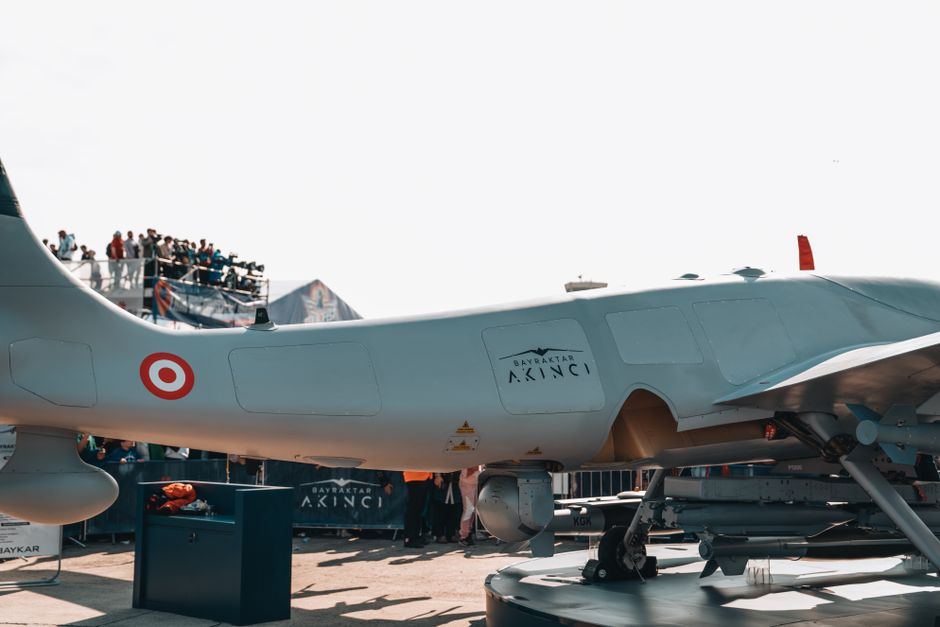
The integration of cutting-edge technology in defence has transformed the landscape of military strategy and operations. Among these technologies, drones have emerged as a pivotal asset in modern warfare and security protocols. The role of drones in modern defence operations extends beyond mere reconnaissance, impacting surveillance, tactical strikes, and logistical support. Understanding this role requires a comprehensive look at their capabilities and applications in various defence scenarios.
One of the most significant advancements is the deployment of drones for defence operations, which have become instrumental in gathering intelligence and enhancing battlefield awareness. These unmanned systems provide real-time data without exposing personnel to direct threats, thus improving operational safety and effectiveness.
Surveillance Drones: Eyes in the Sky
Surveillance drones are equipped with high-resolution cameras and sensors that enable continuous monitoring of hostile environments. Their ability to operate at various altitudes and remain airborne for extended periods makes them ideal for intelligence gathering. These drones help in identifying enemy movements, securing borders, and monitoring conflict zones with minimal risk.
- Real-time video and thermal imaging capabilities
- Ability to operate in GPS-denied or harsh environments
- Facilitation of rapid decision-making through live data feeds
UAV vs Drone: Clarifying Terminology in Defence Contexts
Understanding the distinction between UAVs (Unmanned Aerial Vehicles) and drones is essential in military parlance. While the terms are often used interchangeably, UAV typically refers to the aircraft itself, whereas a drone can encompass the entire system including ground control stations and communication links. This distinction is critical when discussing technical specifications, operational roles, and command protocols within defence frameworks.
Beyond Reconnaissance: Multifaceted Drone Applications
Modern defence operations utilize drones for more than just surveillance. Their versatility extends to tactical strike capabilities, electronic warfare, and logistical support. Armed drones can engage targets with precision, reducing collateral damage and enhancing mission success rates. Furthermore, drones are employed in electronic countermeasures to disrupt enemy communications and radar systems.
- Precision-guided missile delivery
- Electronic jamming and signal interception
- Resupply and casualty evacuation in contested zones
Inspection and Security Roles
Drones also play an essential role in the inspection of critical defence infrastructure. From monitoring perimeter security to conducting detailed drone utility inspection of facilities, they offer a safer and more efficient alternative to manual inspections. This capability ensures the integrity of defence installations and rapid identification of vulnerabilities.
- Routine drone inspection of airfields, radar stations, and supply depots
- Enhanced drone security measures for perimeter and asset protection
- Early detection of sabotage or intrusion attempts through aerial surveillance
Interplay with Commercial Drones in Defence Settings
While commercial drones are primarily designed for civilian applications, their adaptation and modification have found a niche in defence operations. The affordability and availability of commercial drones allow militaries to experiment with swarm tactics and rapid deployment strategies. However, defence-specific drones are generally equipped with advanced features tailored to operational security and robustness.
Emerging Trends and Future Prospects in Drone Utility
The evolution of drone technology continues to reshape defence paradigms. Integration of artificial intelligence and machine learning is enhancing autonomous decision-making capabilities. Future drones are expected to perform complex tasks such as autonomous target recognition, collaborative swarm operations, and adaptive mission planning. The expanding drone utility inspection and security roles will further solidify drones as indispensable assets in modern defence operations.
Strategic Implications of Drone Integration
Incorporating drones into defence strategies offers significant tactical and operational advantages. They reduce human risk, provide persistent surveillance, and enable rapid response. However, challenges such as electronic warfare susceptibility, regulatory compliance, and ethical considerations surrounding autonomous weapon systems remain critical areas for ongoing development.
As defence forces worldwide continue to refine drone capabilities, the synergy between human operators and unmanned systems will define the future battlefield, emphasizing the indispensable role of drones in modern defence operations.